

GLOBAL BRANDS LOOKING FOR UNIFIED FULFILMENT



Edition 011 | June 2026
You're reading IF/Then by IFGlobal, the monthly newsletter for brands who don't compromise. For every what if, there's a then. If you're building your brand, then we're building with you. If you want scale, then you need strategy. If you're ready to grow, then this is where it starts.
IF you’re expanding into more sales channels, Then your operations need to be ready
For a long time, the question many ecommerce brands asked themselves is whether to sell across multiple channels. The question they're asking now is how to do it without creating operational complexity that slows down growth.
Marketplaces, retail partnerships, social commerce, B2B channels, international storefronts and direct-to-consumer websites all offer access to new customers. However, every new channel introduces additional systems, data flows, reporting requirements and fulfilment challenges.
What starts as a growth strategy can quickly become an operational challenge.
As brands expand, many discover that complexity comes from managing multiple channels at the same time. Inventory visibility becomes fragmented. Reporting becomes inconsistent. Integrations multiply. Teams spend more time managing systems than focusing on growth.
The brands that scale most successfully over the next few years will be those that treat omnichannel fulfilment as an operational strategy, not simply a sales strategy.
What ecommerce brands should be reviewing now
1. Integration complexity
Many brands have built their operational infrastructure gradually over time, adding new integrations whenever a new sales opportunity emerges. The result is often a growing network of disconnected systems that become increasingly difficult to manage.
Questions brands should be asking include:
-
How many individual integrations currently support our operation?
-
How much internal resource is spent managing integrations and exceptions?
-
Where are manual processes still being relied upon?
-
How quickly can new channels be launched when opportunities arise?
What works with three channels becomes difficult to manage across 10, particularly when operational teams are expected to maintain visibility and accuracy across every platform.
2. Inventory visibility
As channel count increases, maintaining a single, accurate view of inventory becomes significantly more challenging. Brands should be assessing:
-
Whether inventory visibility is consistent across all channels
-
How quickly stock levels update between systems
-
Where overselling risks exist
-
Whether reporting reflects a true view of available inventory
Without centralised visibility, channel growth can introduce unnecessary risk, impacting both customer experience and operational efficiency.
3. Reporting and decision-making
One of the most common challenges in omnichannel operations is the inability to access consistent data across the business. Many ecommerce brands find themselves pulling reports from multiple systems and attempting to reconcile performance manually.
-
Can we see channel performance in one place?
-
Are fulfilment metrics consistent across all channels?
-
How quickly can operational issues be identified?
-
Are growth decisions being made using complete data?
As channel complexity increases, visibility becomes a competitive advantage. Brands that can access accurate operational reporting are often able to respond faster and scale more confidently.
4. Speed of channel expansion
New sales channels represent significant growth opportunities. However, many brands find that operational limitations slow down expansion. Brands should consider:
-
How long it takes to onboard a new channel
-
What operational work is required each time a channel is added
-
If expansion creates additional reporting and management challenges
-
If existing infrastructure can support future growth plans or not
The ability to connect new channels quickly and confidently is becoming vitally important as customer acquisition strategies diversify.
5. Operational control at scale
Perhaps the biggest challenge of omnichannel growth is maintaining control as complexity increases. As businesses expand, leadership teams need reassurance that operations will remain visible, scalable and manageable. Questions worth asking include:
-
Do we have a single operational view across all channels?
-
Are fulfilment processes standardised?
-
Can we identify issues before they impact customers?
-
Is our operational model built for where the business will be in two years time, not just today?
The challenge is less selling through more channels, and more consideration given to maintaining operational control once those channels are live.
Why connectivity is becoming a strategic priority
As omnichannel commerce continues to evolve, operational infrastructure is becoming
just as important as commercial strategy. The most successful ecommerce brands focus on creating a single operational layer that connects channels, fulfilment, inventory and reporting into one connected ecosystem.
That's why we're excited to be launching our new connectivity layer, coming to BladePRO this July.
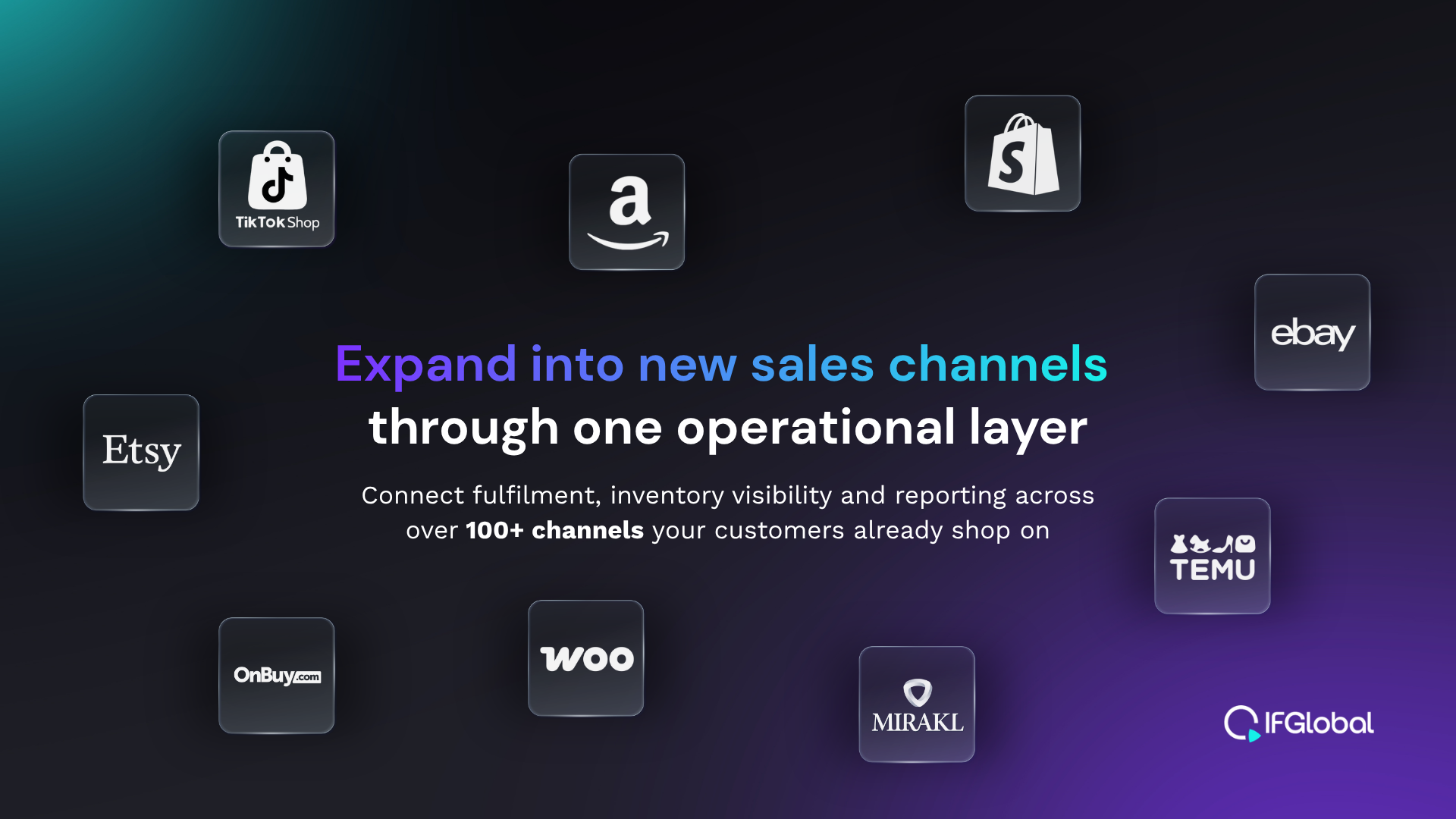
Designed to support channel expansion without adding operational complexity, it provides a central connection point across 100+ supported integrations, creating one operational layer for connected fulfilment, centralised visibility and stronger reporting.
Our goal is to help ecommerce brands scale across more channels while keeping operations visible, manageable and under control. We're already working with clients to assess:
-
Omnichannel operational readiness
-
Integration complexity and scalability
-
Inventory visibility across channels
-
Reporting and operational visibility gaps
-
Strategies for future channel expansion
The priority is visibility and control, because brands that build scalable operational foundations today will be in a much stronger position to support growth tomorrow.
Book a discovery call with one of our fulfilment experts to discuss how we can help support your omnichannel growth strategy.
DTC Live Deep Dive: The operational debt problem in modern brands
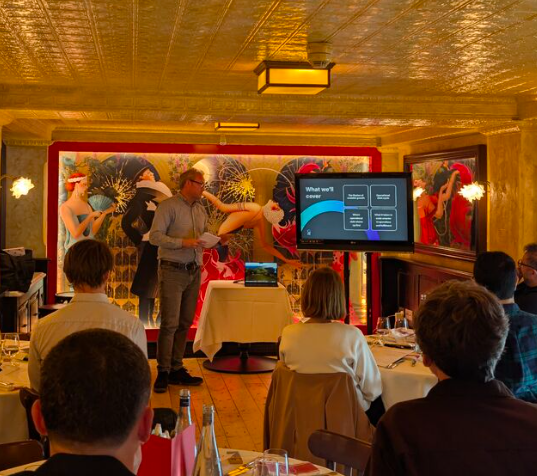
We had a fantastic time at the DTC Live Deep Dive in London this month, where Matt Davies, our Senior Strategic Client Manager, hosted a session on what really happens when growth starts to outpace operational design, and why the early warning signs often get missed. From inventory visibility to customer experience, the conversation focused on how brands can build systems that scale without breaking under pressure.
Join us for the next DTC Live Deep Dive Workshop in London on 16th July.
Matt will be taking to the stage again, this time to share practical insights on how to prepare for peak. If you’re a founder looking for tips and advice from someone who's seen what works and what doesn't, this is one not to miss!
EU de minimis threshold ends 1st July
-1.png?width=400&height=428&name=EU%20de%20minimis%20reminder%20(1)-1.png)
A €3 fee per item may not seem significant initially, but applied across thousands of monthly EU orders - particularly across multi-SKU baskets with different HS codes - the commercial impact escalates quickly.
More brands are now reassessing whether cross-border shipping into the EU is still the most commercially efficient model. In many cases, localised EU fulfilment may become the more scalable long-term solution.
Learn more about how we can support you through this change.
More from IFGlobal

Scaling from service provider to growth partner for SURI. For many founders, operational scale becomes a future problem. For SURI, scale was built into the vision from the start. As a result, SURI partnered with IFGlobal from day one – putting scalable fulfilment infrastructure in place early so the business could grow quickly without operational constraints holding it back. Read the full case study.